Research Directions
We develop artificial intelligence tools for behavioral and neural data analysis, and conversely try to learn from the brain to solve challenging artificial intelligence problems.
Artificial Intelligence for Behavior Analysis
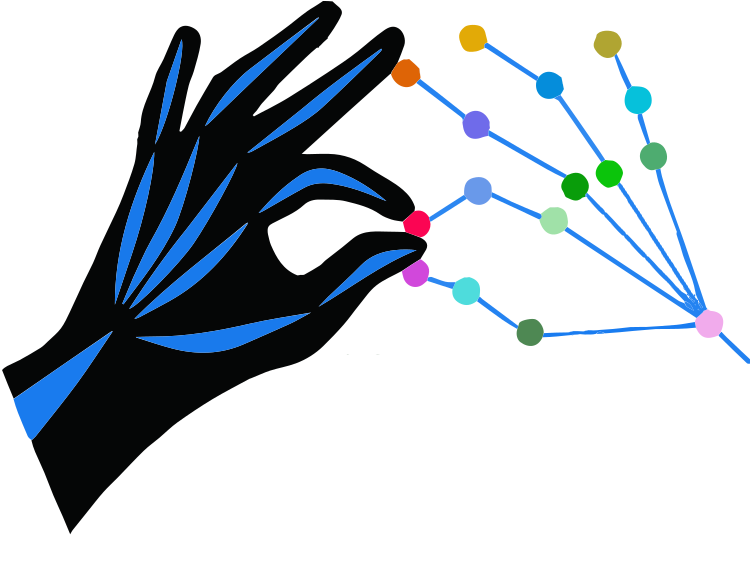
We strive to develop tools for the analysis of animal behavior. Behavior is a complex reflection of an animal's goals, state and character. Thus, accurately measuring behavior is crucial for advancing basic neuroscience, as well as the study of various neural and psychiatric disorders. However, measuring behavior (from video) is also a challenging computer vision and artificial intelligence problem.
Embodied AI & Musculoskeletal Control

Watching an expert athlete makes it obvious that brains have mastered the elegant control of our bodies — an astonishing feat given slow biological hardware and the sensory and motor latencies that constantly impede control. Understanding how the brain produces skilled movement is one of the central questions in neuroscience, and building agents that move as capably is one of the hardest open problems in AI. We work on both at once, using reinforcement learning, control theory, and curriculum learning to train biomechanically realistic, muscle-actuated models of the body.
Task-Driven and Data-Driven Models of Proprioception as well as Sensorimotor Processing
We develop normative theories and models for sensorimotor transformations and learning. Work in the past decade has demonstrated that networks trained on object-recognition tasks provide excellent models for the visual system. Yet, for sensorimotor circuits this fruitful approach is less explored, perhaps due to the lack of datasets like ImageNet.
Latest Research
Breakthroughs and discoveries from our lab
C Li*, C Wang*, B Ziliotto, M Simos, J Kovecses, G Durandau, A Mathis
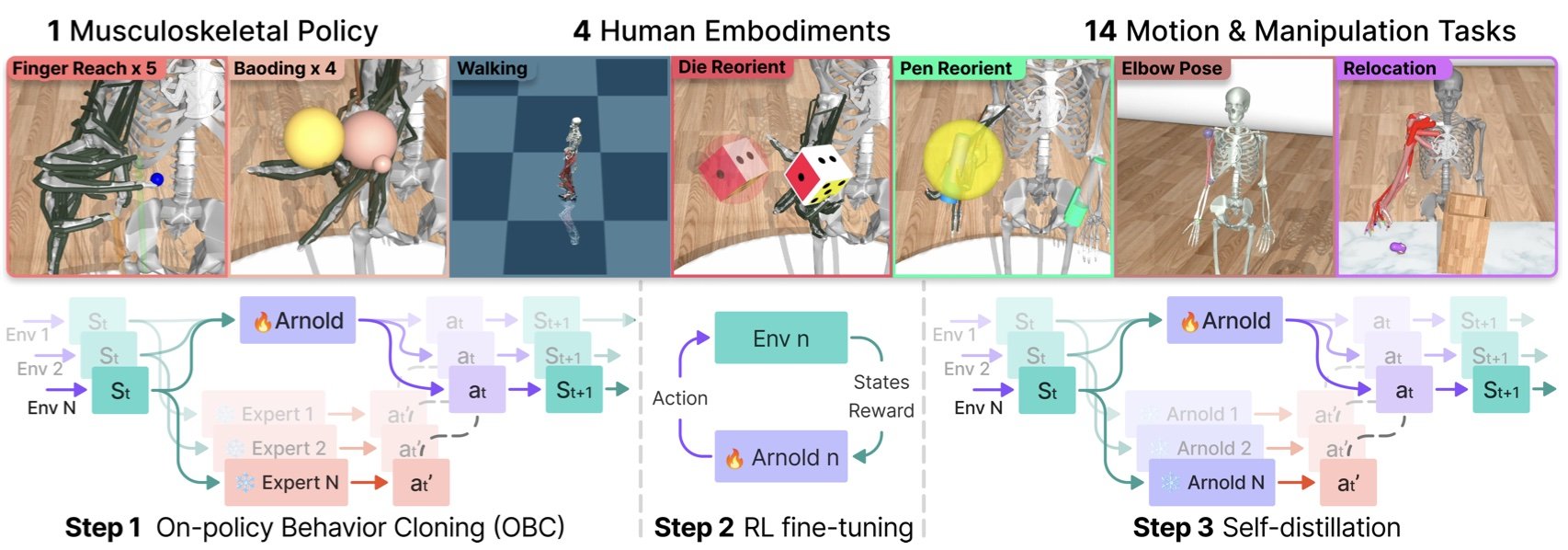
AS Chiappa, B An, M Simos, C Li, A Mathis
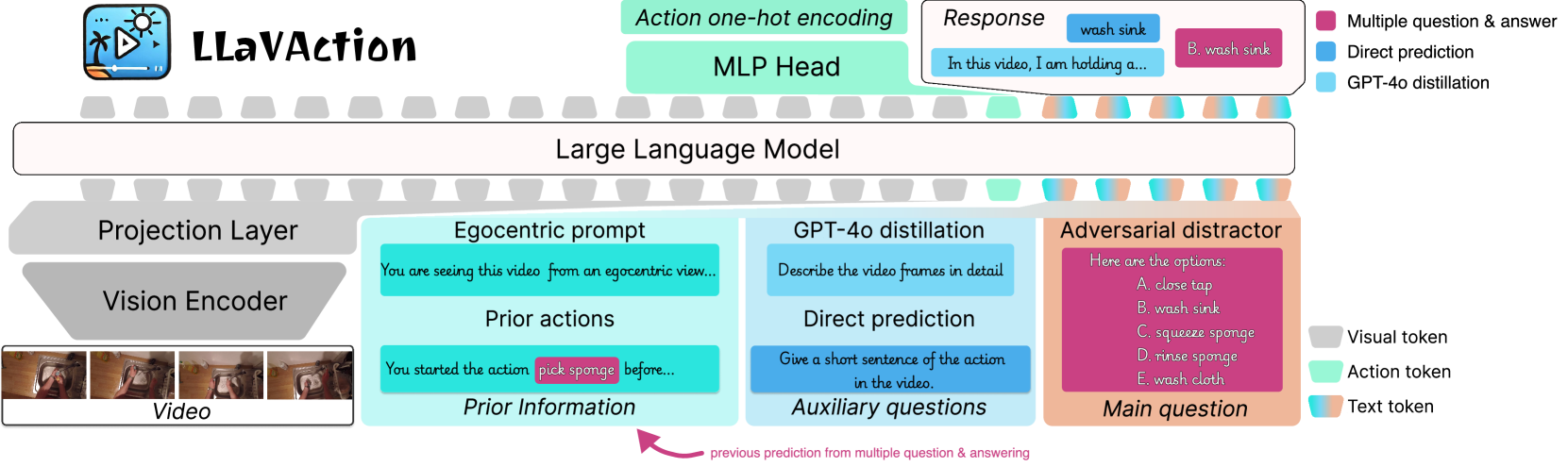
S Ye*, H Qi*, A Mathis**, MW Mathis**
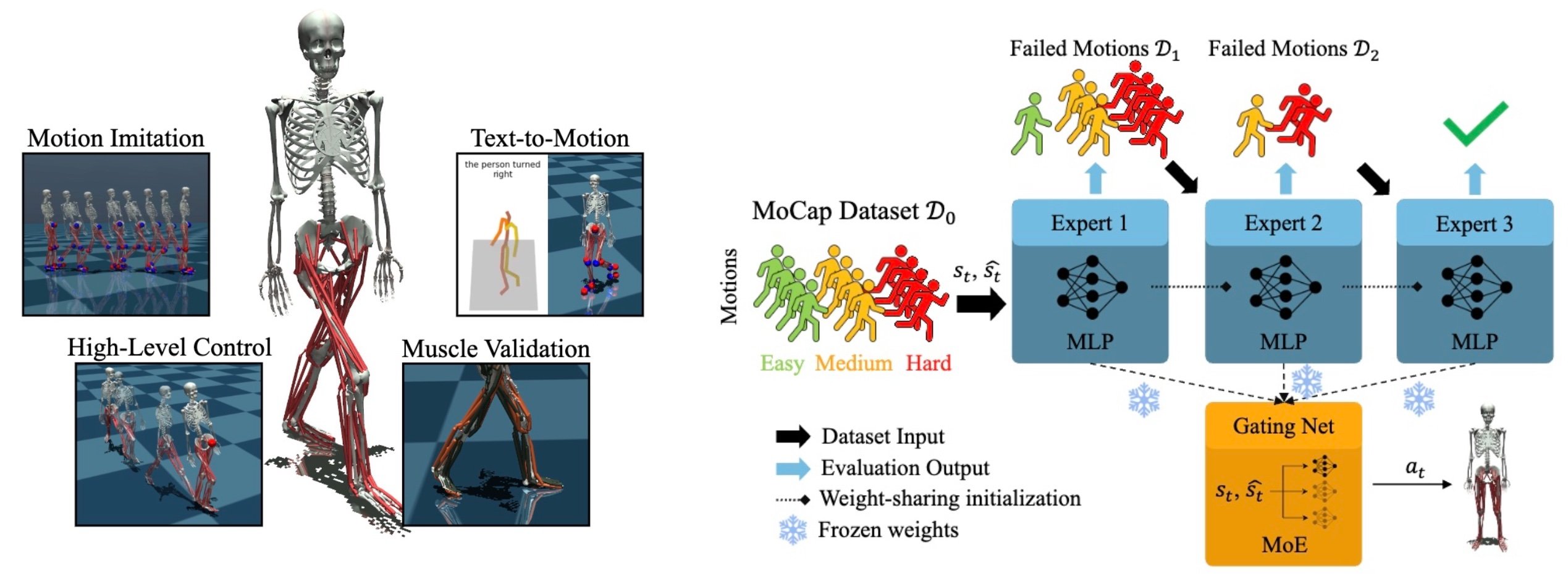
M Simos, AS Chiappa, A Mathis
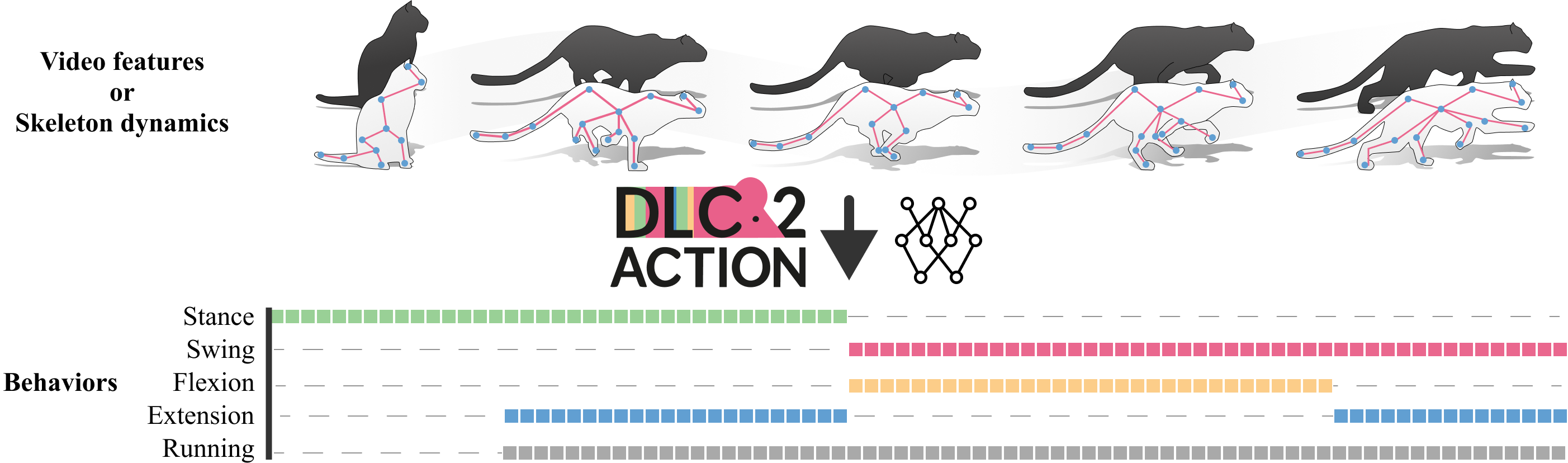
E Kozlova, A Bonnetto, A Mathis
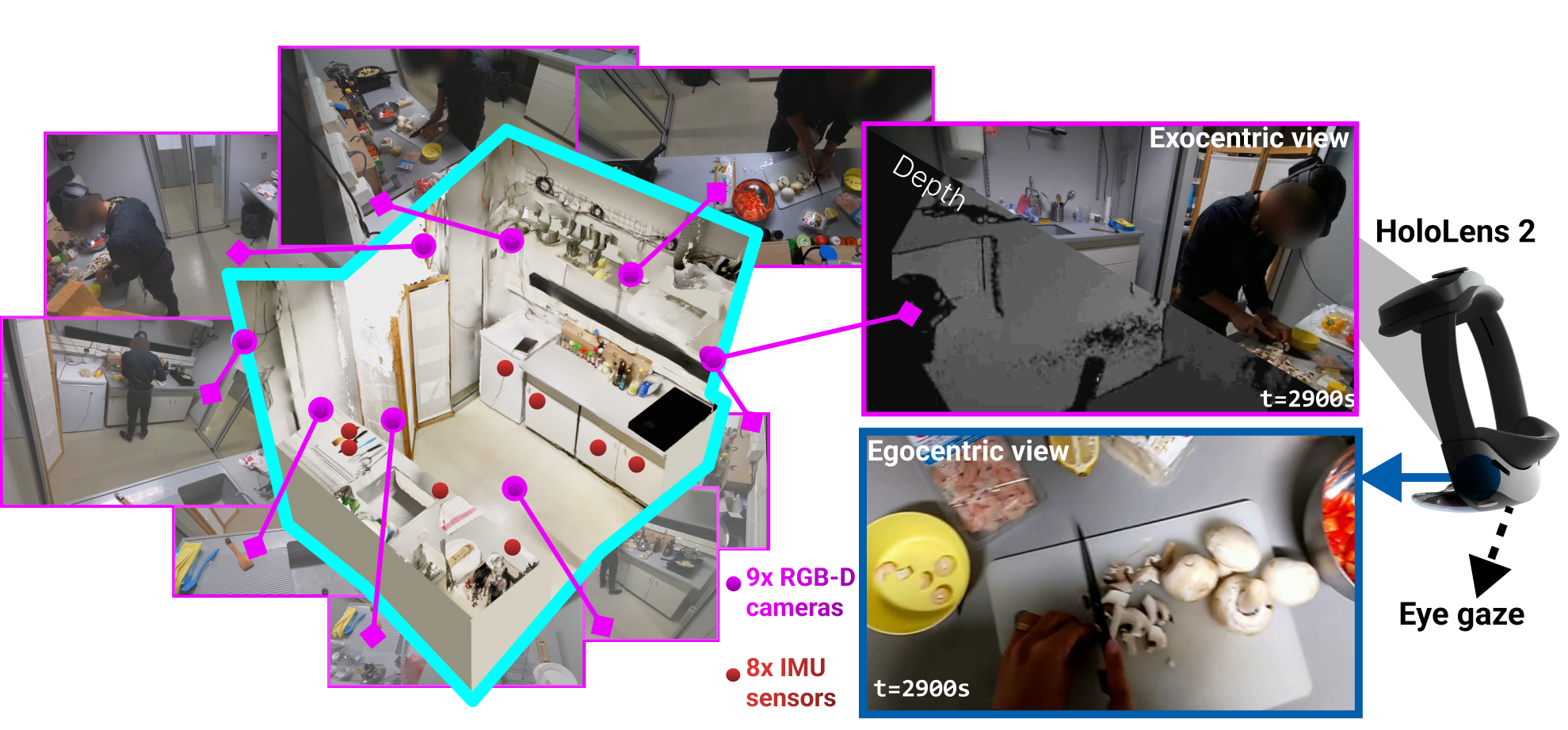
A Bonnetto*, H Qi*, F Leong, M Tashkovska, M Rad, S Shokur, F Hummel, S Micera, M Pollefeys, A Mathis
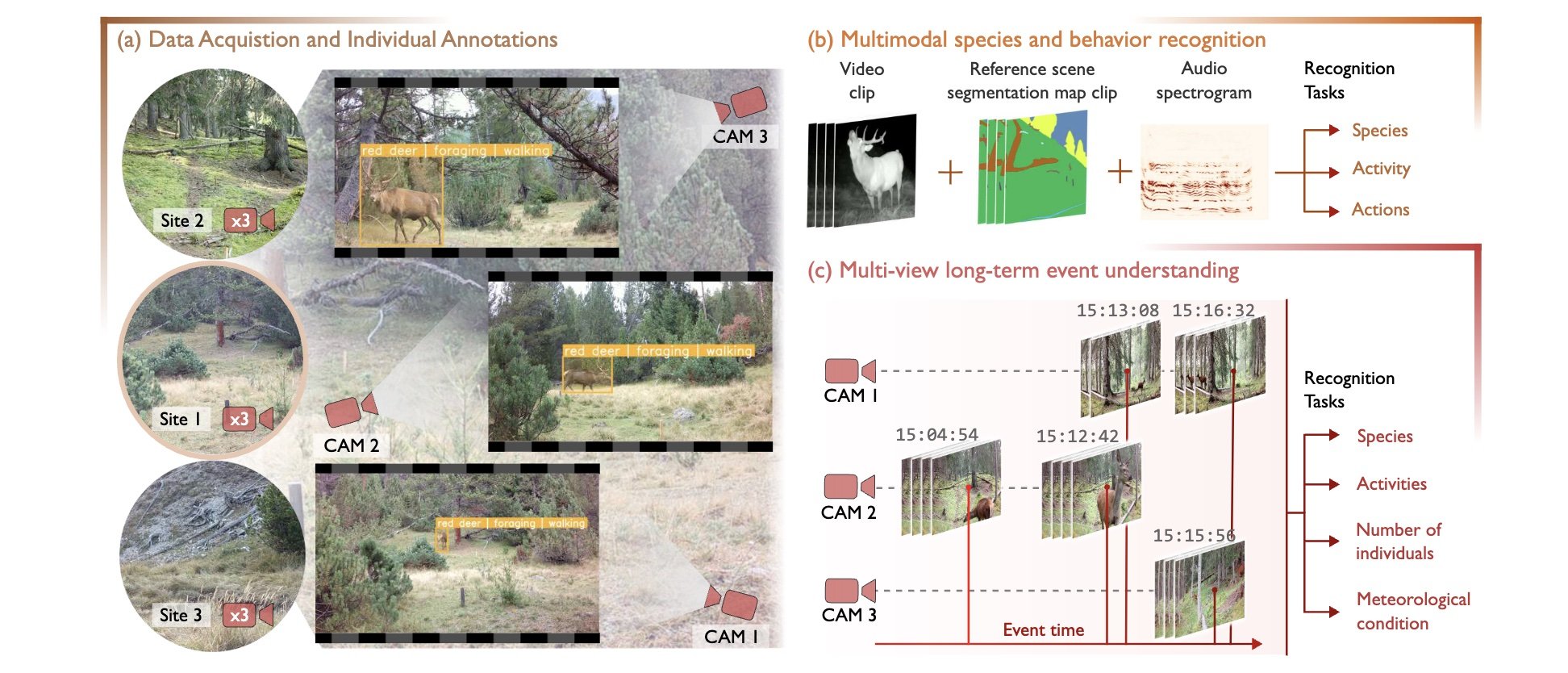
V Gabeff, H Qi, B Flaherty, G Sumbül, A Mathis*, D Tuia*
Open Science & Community Impact
We are passionate about open-source code and making our tools broadly accessible to the scientific community.
Join Our Team
We are actively looking for undergraduate, master's, and PhD students with interests in behavioral analysis and modeling sensorimotor learning. We also regularly recruit postdoctoral fellows.